 Esperanto
 Shqiptare
 Euskara
 Zulu
Zulu
 Latinus
 Cymraeg
 தமிழ்
தமிழ்
 Slovak
 Slovak
 Afrikaans

- Home
- Products
×

Products
Winsen focuses on the development and innovation of sensors. Committed to providing unique solutions in various fields.
View More >- ALL PRODUCTS
- Column>
- Popular Refrigerant Gas Sensors — — More Compliant with New Standards
- Chinese CO2 Sensor Manufacturer
- Dust Sensor Factory in China
- Methane Sensor, Escort for Life
- CO Sensor, Guardian of Health and Safety
- Air Quality Sensor, Protective Net for Urban Purification
- Industrial Gas Sensor for Life Safety
- The Secret Weapon of Intelligent Sensing — — PIR Sensor
- The Heart of Modern Vehicles — — Smart Automotive Sensor
- Application
×

Application
Winsen plays an important role in various industries. Create a beautiful environment, provide a comfortable home, and ensure the safety of life.
View More > - Service
×

Service
Winsen's service philosophy is to create value for customers. Customer satisfaction is our greatest achievement.
View More > - News
×

News
Winsen's warm corporate culture drives employees to live an active life. We are a big family.
View More > - About us
×

About us
Winsen has our own R&D team and factory. In the field of sensors for over 20 years.
View More > - Contact us
Human body induction related sensor application scheme
Apr 17,2023
Industry background:
A human body induction sensor, also called a PIR sensor, is a sensor that can detect infrared rays emitted by people or animals and output electrical signals. As early as 1938, it was proposed to use the pyroelectric effect to detect infrared radiation, but it was not taken seriously. It was not until the 1960s that the research on the pyroelectric effect and the application of the pyroelectric crystal emerged.
Objects existing in nature, such as the human body, flames, ice cubes, etc., all emit infrared rays, but their wavelengths are different. The human body temperature is 36-37°C, and the emitted infrared wavelength is 9-10um, which belongs to the far infrared region. PIR sensors are not affected by day or night and can be used for monitoring around the clock.
Advantages and disadvantages of passive PIR probes:
Advantage:
It does not emit any type of radiation itself, the power consumption of the device is small, and the concealment is good. Inexpensive.
Shortcoming:
◆Easy to be interfered with by various heat sources and light sources
◆Passive infrared penetration is poor, and the infrared radiation of the human body is easily blocked and difficult to be received by the probe.
◆Susceptible to interference from radio frequency radiation.
◆When the ambient temperature is close to the human body temperature, the detection and sensitivity will drop obviously, sometimes resulting in short-term failure.
Anti-interference performance:
1. Anti-interference of small animals
The detector is installed at the recommended operating height, and generally does not generate an alarm for small animals on the ground within the detection range.
2. Anti-electromagnetic interference
The anti-electromagnetic wave interference performance of the detector meets the requirements of 4.6.1 in GB10408, and the electromagnetic interference of general mobile phones will not cause false alarms.
3. Anti-light interference
In the range of normal sensitivity, the detector will not generate an alarm when it is irradiated by the H4 halogen lamp 3 meters away through the glass.
Application occasions and detection gas types:
Based on the low cost characteristics of pyroelectric sensors, they were widely used in the field of induction lights in the early stage of market application. The common ones are corridor induction lights, which turn on when people come and go. With the development of some home appliance brands such as Xiaomi, Haier, Midea, etc., smart home appliances are increasingly accepted by more consumers, and the function of human body sensing is "humanized", which fits well with the concept of smart home appliances. , In recent years, it has been more and more applied to traditional home appliances. Today's smart home appliances are a combination of traditional home appliances + sensors + cloud platforms. Sensors are the "nervous system" that allows traditional home appliances to perceive, and the cloud platform is equivalent to the "brain", allowing people and home appliances to understand each other.
Here are some scenarios for the application of PIR sensors:
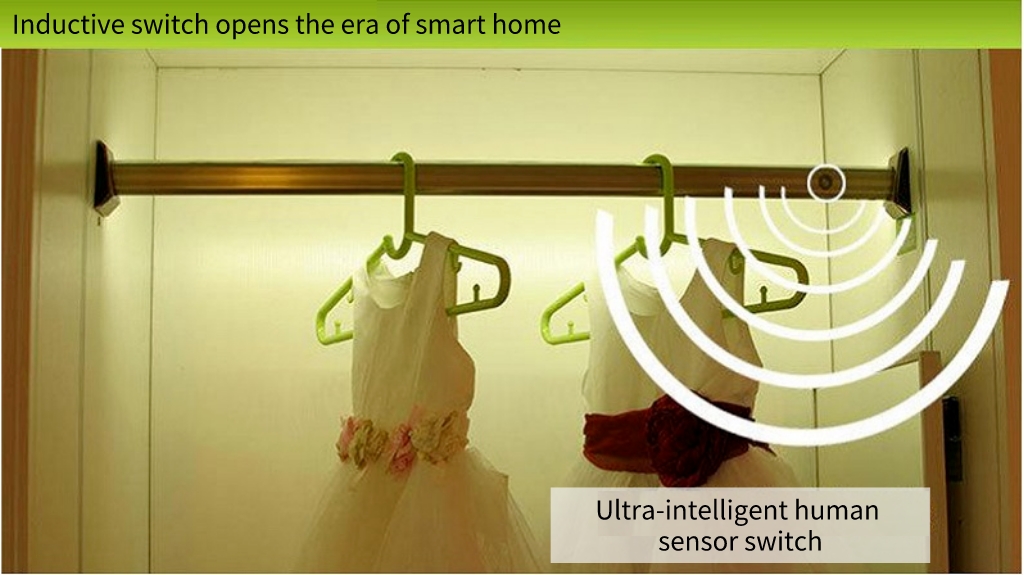
1. Wardrobe sensor light: RD-624 pyroelectric infrared sensor
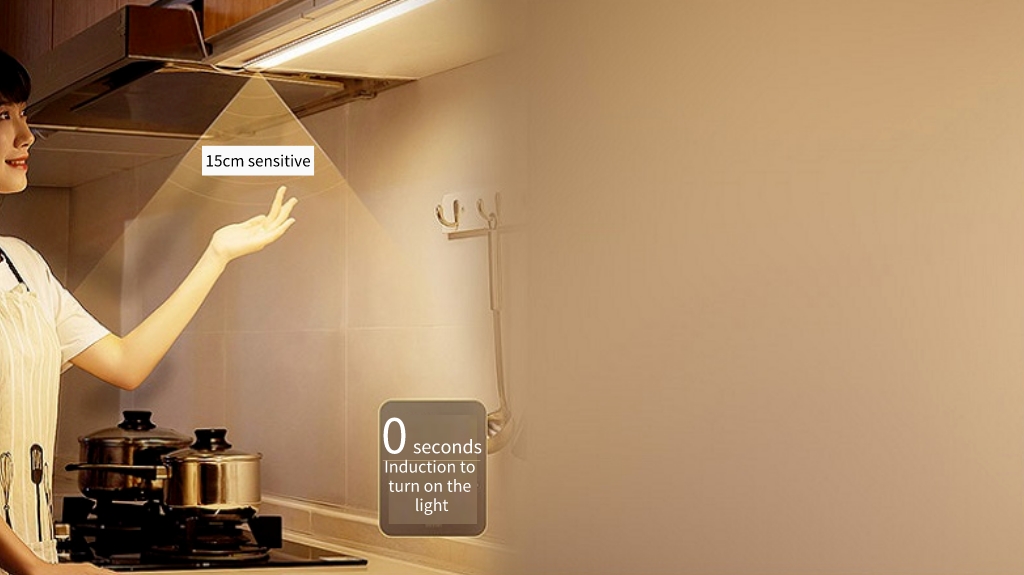
2. Cabinet sensor lights: RD-623 pyroelectric infrared sensor
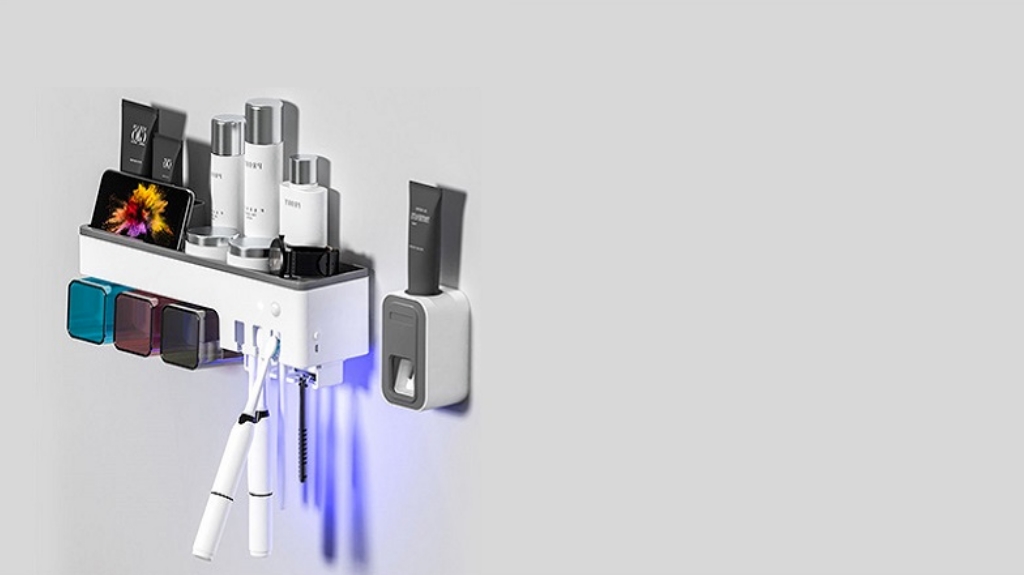
3. Toothbrush disinfection holder: RDB224 Digital Pyroelectric Sensor
4. Smart air conditioner: RDB226-S Digital Pyroelectric Sensor

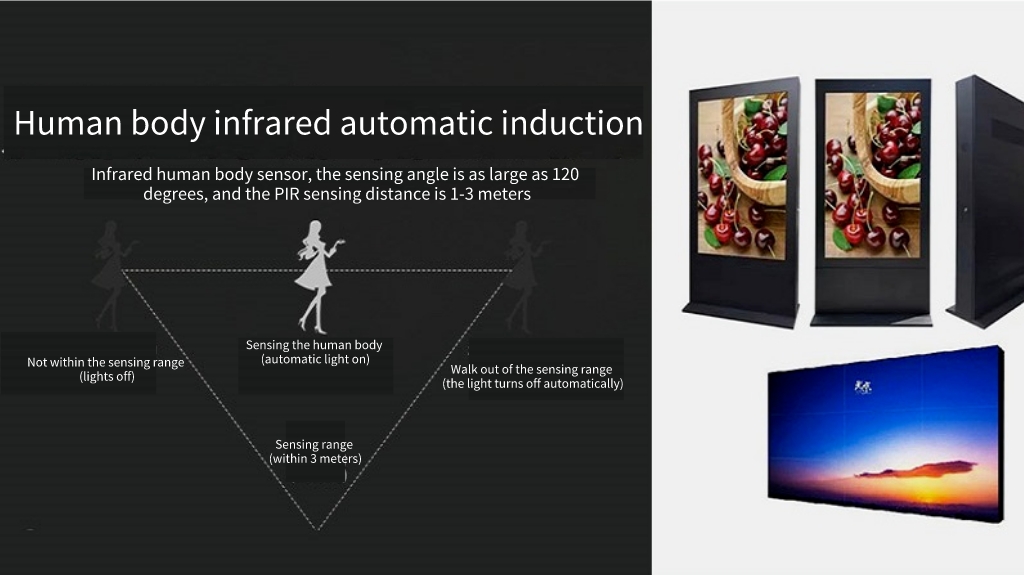
5. Advertising machine display: RDB223 Digital Pyroelectric Sensor
6. Anti-theft alarm: ZRD-09 pyroelectric module
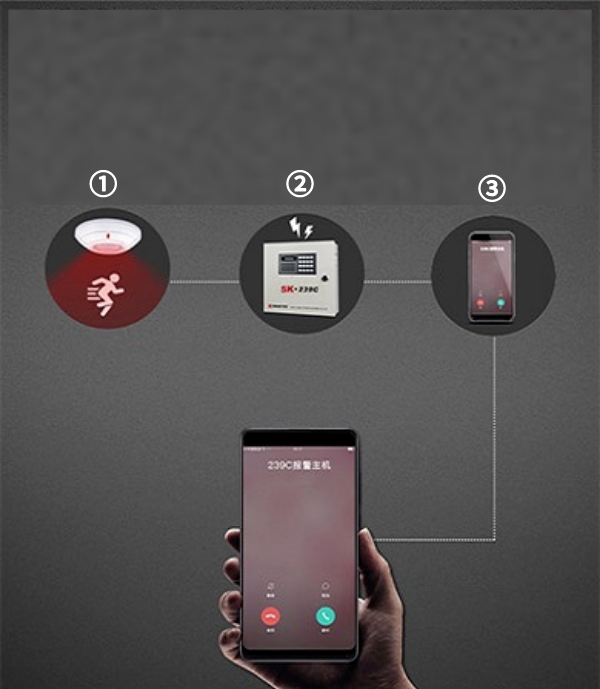
When a thief is detected, the curtain will send a signal to the host, and the host will make a call to the owner's mobile phone to notify the alarm
Note: If necessary, please contact the sales manager to arrange for delivery
①Intrusion detected
②On-site high-pitched alarm from the host
③The user receives the remote alarm notification
Related News

Subscribe to the Winsen Newsletter

Address:No.299 Jinsuo Road, National High-tech Zone, Zhengzhou.
Copyright © 2021 Zhengzhou Winsen Electronics Technology Co, Ltd. All rights reserved Powered by 300.cn SEO